
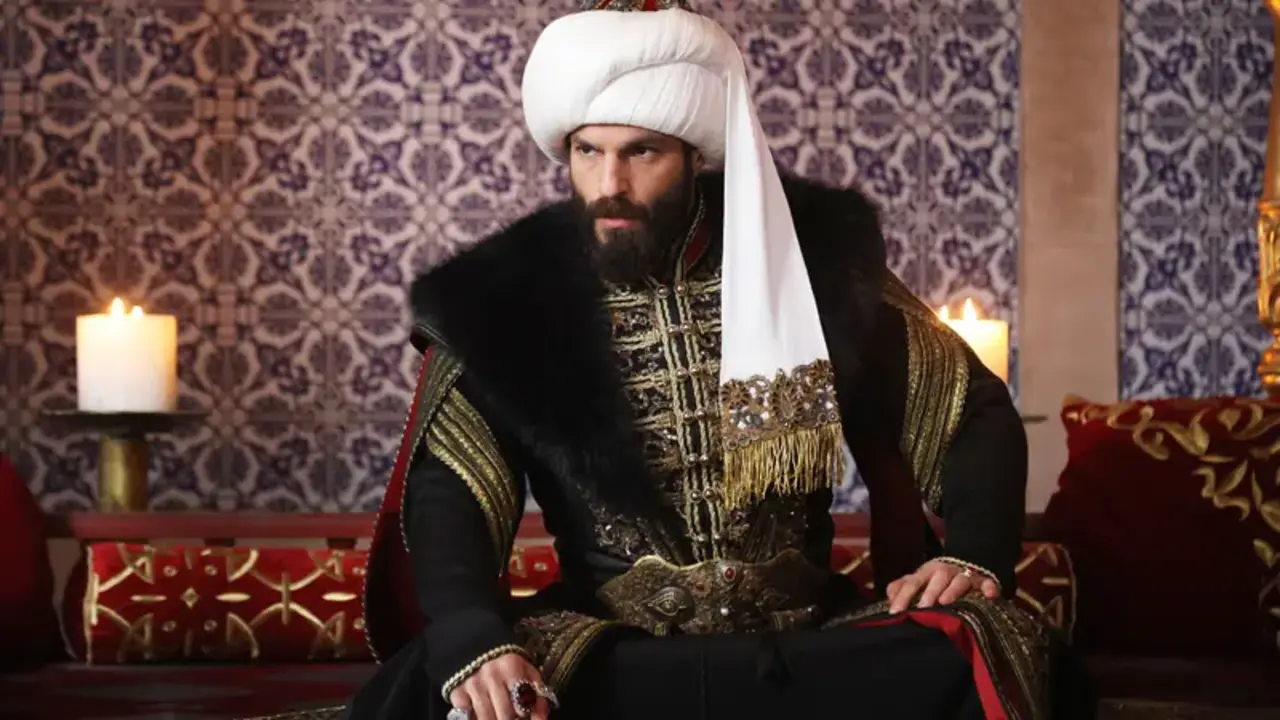
Mehmed Fetihler Sultanı Episode 70 airs February 17, 2026 featuring Sultan Mehmed’s Bosnia campaign launch following King Stefan’s execution. Stream with English and Urdu subtitles exclusively on Vidtower.in as Ottoman forces mobilize against the Christian alliance.
Check Also: Kurulus Orhan Episode 15 English and Urdu Subtitles
What Happens After Stefan’s Execution in Episode 70?
Episode 69 concluded with a pivotal moment—King Stefan Tomašević’s brutal execution at Semendire Castle. The Bosnian ruler who ordered Şehabettin Paşa’s assassination met his end at the hands of Vlad Dracula and Ottoman commanders. This calculated move by Sultan Mehmed II sends shockwaves through the Christian world.
Mehmed Fetihler Sultanı Episode 70 opens in the aftermath. Queen Katerina now faces the daunting task of leading Bosnia alone. The execution wasn’t merely revenge—it was a strategic masterstroke designed to destabilize the anti-Ottoman coalition before the grand campaign begins.
Mahmut Paşa successfully rallied the Anatolian sipahis in Edirne despite initial resistance from Türkmen lords like Abdurrahman Bey. His appointment as acting Beylerbey of Anatolia solidified Sultan Mehmed’s control over military preparations. The army stands ready.
Sultan Mehmed Declares the Bosnia Campaign
The Divan-ı Hümayun convenes for the final time before departure. Sultan Mehmed Han addresses his commanders with unwavering resolve. He declares that the time for patience has ended. Bosnia’s defiance, the martyrdom of Şehabettin Paşa, and the growing Christian alliance demand immediate action.
Hacı Ali Kuşçu, the renowned astronomer, presented calculations warning of harsh winter conditions—frozen ground, scarce water, brutal winds across the Thracian plains, and treacherous mountain passes through Filibe (Plovdiv). Despite these warnings, Sultan Mehmed refuses delay.
His reasoning is clear: oppressed Muslims in the Balkans cannot wait. The Christian alliance grows stronger daily. Winter may be fierce, but faith burns brighter. As he proclaimed, “On earth and in the heavens, only Allah’s power can frighten us.”
The war drums sound. Banners rise. Horses receive ceremonial henna. The Ottoman army prepares to march.
Vlad Dracula’s Cunning Alliance Maneuvers
Vlad Tepes continues manipulating all sides. He secured massive funding from Jewish merchants through promises he never intends to keep. He convinced the Papacy to support his cause by positioning himself as Christianity’s defender against Turkish expansion.
Most dangerously, Vlad forged an uneasy alliance with Hungarian commander Gabor and the Macar forces stationed in Bosnia. Queen Katerina depends on Hungarian military support, but tensions simmer. Gabor openly disrespects Bosnian authority, creating fractures Vlad can exploit.
The fall of Semendire Castle revealed Hüseyin Ağa’s deep infiltration network. Ottoman sympathizers within Christian territories opened gates, allowing swift conquest. Vlad anticipated this and used Stefan’s downfall to position himself as the strong leader the Christian coalition needs.
However, Mustafa Çelebi and Bayezid proved their worth. Mustafa navigated ambushes successfully, while Bayezid’s confrontation with Vlad at the Jewish merchant execution demonstrated growing Ottoman prince capabilities.
Queen Katerina’s Dangerous Game in Bosnia
Katerina Tomašević emerges as Bosnia’s sole ruler after her husband’s death. Unlike Stefan’s reckless ambition, Katerina plays a calculated game. She secured Bosnian nobility’s loyalty by presenting Vlad as her military advisor rather than allowing Stefan’s legacy to crumble.
The grain warehouse fire orchestrated by Radu (Vlad’s brother) nearly crippled Bosnian food supplies. Marco, Katerina’s trusted guard, uncovered the sabotage but the damage persists. Winter campaigns require provisions—Bosnia now struggles with depleted reserves.
Katerina faces impossible choices. She needs Hungarian military might but refuses to become Gabor’s puppet. She requires Vlad’s tactical genius but knows he serves only himself. She must unite Catholic Bosnian nobles who previously opposed royal authority.
Her survival depends on defeating Sultan Mehmed’s approaching army. Failure means Ottoman annexation and the end of independent Bosnia.
Internal Ottoman Politics Heat Up
İshak Paşa’s position as Grand Vizier grows precarious. His attempt to control the Bosnia campaign by sending Ömer to spy backfired when Ömer’s loyalty to Sultan Mehmed superseded all else. The Sultan’s pointed reminder about Çandarlı family’s fate sent chills through the Divan.
Sultan Mehmed elevated Mahmut Paşa deliberately, creating competition within his administration. This wasn’t mere favoritism—it was statecraft. By empowering the devshirme (Christian-origin convert) against the Türkmen establishment, Mehmed ensures no single faction dominates.
Doğan Paşa and Hüseyin Ağa demonstrated unwavering loyalty. Their military prowess combined with intelligence networks make them invaluable. The purge of Janissary rebels cleansed the Ocak (military corps) of dissent, preparing a unified fighting force.
Meanwhile, Sultan Mehmed’s personal life showed strain. His marriage to Princess Roza (Rosa) remained political, respecting her Christian faith per Islamic law. However, Gülşah Hatun’s miscarriage brought genuine grief, revealing the human cost of imperial duty.
What to Expect in Episode 70
The March Begins
Expect spectacular scenes of the Ottoman army’s mobilization. Thousands of soldiers, cavalry units, artillery trains, and supply wagons moving through winter landscapes. Historical epics thrive on these moments—the series will deliver.
Vlad’s Next Move
With Stefan eliminated and funding secured, Vlad positions himself as the Christian coalition’s de facto military commander. His plan to capture Semendire permanently sets up a major confrontation. Will Hüseyin Ağa’s infiltration continue working, or has Vlad identified the traitors?
Katerina’s Leadership Test
The new Queen of Bosnia must prove she can lead in wartime. Expect political maneuvering with nobility, tense negotiations with Gabor, and difficult decisions about resource allocation. Her character development becomes crucial.
Family Drama Intensifies
Vlad’s brutal treatment of his mother Morena showed his ruthless nature. Radu’s failed sabotage puts him in mortal danger. The Dracula family’s dysfunction mirrors the broader conflict’s chaos.
Mustafa and Bayezid’s Roles
Both princes demonstrated competence. Sultan Mehmed increasingly relies on them for critical missions. Their continued development as future leaders forms an ongoing subplot.
Historical Context: The Real Bosnia Campaign of 1463
The series dramatizes Sultan Mehmed II’s actual 1463 conquest of Bosnia. Historically, the campaign proved remarkably swift—the Ottoman army moved through winter conditions and conquered the kingdom in roughly one month.
King Stefan Tomašević did seek help from Hungary, Venice, and the Papacy. All failed to provide sufficient support. His execution after Jajce Castle’s fall sent shockwaves through Christian Europe, proving no kingdom was safe from Ottoman expansion.
Queen Katerina historically attempted resistance but ultimately fled. The Kingdom of Bosnia ceased existing as an independent state, though its people’s story continued under Ottoman rule.
The series takes creative liberties but captures the campaign’s essence: a clash between Ottoman imperial ambition and desperate Christian resistance.
Where to Watch with English and Urdu Subtitles
Vidtower.in provides the fastest English and Urdu subtitle releases for Mehmed Fetihler Sultanı. Episode 70 streams February 17, 2026 with both subtitle options.
The platform offers high-quality video streaming and accurate translations that preserve the dialogue’s historical and emotional weight. For non-Turkish speakers, these subtitles make the series accessible while maintaining authenticity.
Mehmed Fetihler Sultanı Episode 70 Release Details
Release Date: February 17, 2026
Platform: Vidtower.in
Subtitle Languages: English and Urdu
Episode Focus: Bosnia campaign launch, Stefan aftermath, Vlad’s power play
Expected Runtime: 120-140 minutes (standard for the series)
Themes to Watch in Mehmed Fetihler Sultanı Episode 70
Leadership Under Pressure
Sultan Mehmed, Queen Katerina, and Vlad all face tests requiring different leadership styles. The episode will contrast these approaches—imperial authority versus desperate survival versus manipulative cunning.
Faith and War
The series consistently explores how religious identity shapes conflict. Episode 70 will likely feature scenes of Ottoman soldiers preparing spiritually for jihad while Christian forces invoke their own sacred duty.
Loyalty’s Price
Ömer’s choice between İshak Paşa and Sultan Mehmed, Radu’s betrayal of Vlad, Hüseyin Ağa’s infiltration network—loyalty determines survival in this world.
Winter’s Challenge
Hacı Ali Kuşçu’s warnings about winter conditions won’t prove idle. Expect scenes showing the army struggling through snow, ice, and freezing temperatures. This environmental antagonist adds drama beyond human conflict.
Character Development Analysis: Episode 70’s Key Players
Sultan Mehmed II: The Burden of Empire
Mehmed Fetihler Sultanı Episode 70 showcases Sultan Mehmed’s evolution from the conqueror of Constantinople to the architect of Balkan domination. His decision to marry Princess Roza purely for political gain, while simultaneously mourning Gülşah Hatun’s lost child, reveals the personal sacrifices imperial duty demands.
The Sultan’s relationship with his advisors demonstrates sophisticated political management. He publicly rebukes İshak Paşa while privately acknowledging his service. He elevates Mahmut Paşa knowing this creates competitive tension. Every move serves multiple purposes—immediate tactical advantage and long-term strategic positioning.
His speech to the army before departure captures his philosophy: “In this world and the heavens, only Allah’s power can frighten us.” This isn’t mere rhetoric. Sultan Mehmed genuinely believes divine providence guides Ottoman expansion. This faith-driven certainty makes him formidable.
Vlad Dracula: Monster or Strategist?
The series portrays Vlad Tepes as neither hero nor simple villain but a complex figure driven by survival and ambition. His treatment of his mother Morena shows emotional damage from years of political manipulation. His alliance with the Christian coalition contradicts his earlier Ottoman connections, proving ideology matters less than opportunity.
Vlad’s execution of Stefan demonstrated theatrical cruelty designed to terrorize enemies while impressing allies. He understands psychological warfare’s value. By positioning himself as the strong leader replacing weak Stefan, he consolidates power while avoiding formal titles that might threaten established rulers like Queen Katerina or King Matthias Corvinus of Hungary.
His greatest weapon isn’t military might—it’s information. His network of spies and infiltrators rivals the Ottoman hafiye system. This intelligence advantage lets him stay one step ahead of everyone.
Queen Katerina: Bosnia’s Last Hope
Katerina’s transformation from royal consort to sovereign ruler happens under extraordinary pressure. Unlike Stefan’s impulsive decision-making, she calculates carefully. Her decision to keep Vlad close rather than alienate him shows pragmatic thinking.
Managing the Bosnian nobility requires delicate balance. These powerful lords tolerated Stefan because of his royal lineage. Katerina must prove competence, not just legitimacy. Her speech accepting their allegiance walked a fine line—confident enough to command respect, humble enough to avoid resentment.
The grain shortage creates immediate crisis. Medieval armies traveled on their stomachs. Without adequate provisions, Bosnian forces cannot sustain prolonged resistance. Katerina’s ability to resolve this logistical nightmare will determine her kingdom’s survival.
Mahmut Paşa: Rising Star of Ottoman Administration
Mahmut Paşa’s appointment as acting Beylerbey of Anatolia marks a watershed moment for the devshirme system. Christian-born converts to Islam now hold the empire’s highest offices, competing with traditional Türkmen aristocracy.
His confrontation with Abdurrahman Bey showcased intelligence and restraint. Rather than escalating tensions, Mahmut used Sultan Mehmed’s decree strategically. He reminded the Türkmen lords of their oaths while avoiding personal antagonism. This diplomatic skill separates great administrators from merely competent ones.
However, jealousy brews. İshak Paşa watches his influence erode. Other Türkmen commanders resent a former Christian slave’s authority. Mahmut must deliver results in Bosnia to silence critics and justify Sultan Mehmed’s faith in him.
Military Analysis: Ottoman Campaign Strategy
The Winter Gambit
Sultan Mehmed’s decision to campaign in winter defies conventional military wisdom. Armies traditionally waited for spring when grass fed horses, roads became passable, and soldiers didn’t freeze to death.
However, the Sultan’s reasoning is sound. Winter campaigns catch enemies unprepared. Fortresses stockpile provisions for their own garrisons, not besieging armies, assuming winter provides natural defense. By marching in February, Ottoman forces arrive before defenders expect serious operations.
The Thracian plains present the first major obstacle. Flat terrain offers no shelter from bitter winds. Frozen ground makes digging entrenchments nearly impossible. Water sources freeze solid, requiring soldiers to melt snow or break ice.
Filibe’s mountain passes create bottlenecks where winter storms can trap thousands. Commanders must coordinate movements precisely—units separated by storms might never reunite.
Yet Sultan Mehmed prepared meticulously. The ocak system ensured soldiers received winter gear. Supply trains carried extra firewood and fodder. Advanced scouts identified usable shelter along the route.
Artillery’s Game-Changing Role
The series highlights Saruca Paşa’s cannon foundries near Sofia. These weapons revolutionized siege warfare. Medieval castles designed to resist scaling ladders and battering rams couldn’t withstand sustained bombardment from Ottoman super-heavy artillery.
Bosnia’s fortifications, built before cannon technology matured, are particularly vulnerable. Their tall, thin walls maximize vertical defense against climbers but create easy targets for gunners. A few well-placed shots can breach sections that took decades to build.
The challenge lies in transporting these massive weapons through winter conditions. Each super-heavy cannon requires dozens of oxen and specialized wagons. Muddy or icy roads can strand artillery trains for days.
Intelligence Networks Decide Battles
Hüseyin Ağa’s infiltration of Semendire demonstrated intelligence superiority. Ottoman hafiye (secret service) operatives worked inside enemy strongholds for years, building networks and waiting for activation orders.
This patient approach contrasts with Western espionage, which often relied on bribed informants providing immediate intelligence. Ottoman spies became part of their host communities, converted to local faiths, married locals, and raised children—all while remaining loyal to the Sultan.
Vlad Dracula understood this tactic and employed it himself. His success infiltrating Bosnian supply lines proved Ottoman methods could be copied. This creates a shadow war running parallel to open combat.
Religious Dimensions: Crusade vs. Jihad
The Christian Coalition’s Fractured Faith
Mehmed Fetihler Sultanı Episode 70 explores how religious unity theory collides with political reality. Pope Pius II declared the Bosnia conflict a crusade, but practical support proves limited. Venice prioritizes trade routes over Christian solidarity. Hungary demands territorial concessions for military assistance.
The Catholic-Orthodox divide complicates matters further. Bosnian Catholics view Orthodox Serbs with suspicion despite shared Christianity. This internal Christian conflict weakens resistance to Ottoman expansion.
Vlad’s religious position remains ambiguous. Raised Orthodox, educated Catholic, allied with Muslims during his Ottoman captivity—he adapts faith to circumstances. This flexibility disgusts religious purists but makes him politically effective.
Islamic Jihad as Unifying Force
Ottoman forces benefit from clearer religious motivation. Jihad doctrine provides powerful ideological foundation. Soldiers believe dying in battle against non-Muslims guarantees paradise. This conviction creates fearless warriors willing to accept enormous casualties.
Sultan Mehmed’s speeches consistently invoke religious duty alongside imperial ambition. Conquering Bosnia isn’t merely territorial expansion—it’s liberating oppressed Muslims and spreading Islam’s light. This narrative transforms brutal warfare into sacred mission.
The imam-ı azam sancağı (supreme imam banner) mentioned in Episode 69’s preparation scenes carries deep symbolic weight. When unfurled, it declares holy war, placing religious obligation above political calculation.
Protected Status for Christian Subjects
The series accurately depicts Ottoman dhimmi policies. Sultan Mehmed’s marriage contract with Princess Roza guarantees her right to practice Christianity freely. This reflects Islamic law permitting Muslim men to marry “People of the Book” (Christians and Jews).
Conquered Christian populations received protected status requiring jizya (tax) payment but allowing religious practice. This pragmatic tolerance encouraged surrender over suicidal resistance. Many Bosnian Christians preferred Ottoman rule with religious freedom to Catholic Venice’s rigid doctrinal enforcement.
Production Quality and Historical Authenticity
Costume Design Excellence
Mehmed Fetihler Sultanı maintains exceptional costume accuracy. Ottoman military uniforms, from Sultan Mehmed’s ceremonial robes to common soldier gear, reflect 15th-century patterns and materials. The distinctive Janissary headgear (börk) appears correctly styled.
Bosnian and Hungarian costumes show similar research depth. Queen Katerina’s royal attire combines Western European fashion with Balkan regional elements, historically appropriate for Bosnia’s cultural position between West and East.
Battle Choreography Realism
Unlike many historical dramas featuring choreographed sword fights resembling dance, this series presents brutal, chaotic combat. Soldiers slip in mud, grapple clumsily, and die unheroically. This grittier approach better represents medieval warfare’s reality.
The Semendire Castle assault sequence (Episode 69) showcased this approach. Rather than heroes dispatching dozens of enemies single-handedly, we saw small unit tactics, infiltration, and the sudden violence of close-quarters fighting.
Language and Dialogue Authenticity
The series uses Ottoman Turkish extensively, maintaining period authenticity while remaining accessible to modern Turkish viewers. Characters employ honorifics appropriate to their status—sultans, pashas, and beys receive correct forms of address.
However, some anachronisms exist. Modern Turkish grammatical constructions occasionally appear in dialogue theoretically occurring in 15th-century Ottoman Turkish. Most viewers won’t notice, but language purists might critique these minor inconsistencies.
Frequently Asked Questions
When does Mehmed Fetihler Sultanı Episode 70 release?
Episode 70 releases February 17, 2026, on Vidtower.in with English and Urdu subtitles available immediately.
What happened to King Stefan in Episode 69?
King Stefan was executed at Semendire Castle by Vlad Dracula under Ottoman supervision as revenge for ordering Şehabettin Paşa’s assassination.
Will Sultan Mehmed face opposition from his own commanders?
İshak Paşa’s influence is waning while Mahmut Paşa rises. Internal political tensions exist but won’t stop the campaign.
How historically accurate is the series?
The show dramatizes real events from Sultan Mehmed II’s reign, particularly the 1463 Bosnia conquest, while adding fictional characters and subplots for entertainment.
