
Kurulus Orhan Episode 15 English and Urdu Subtitles: Siege at Gemlik Castle and Betrayal Unveiled
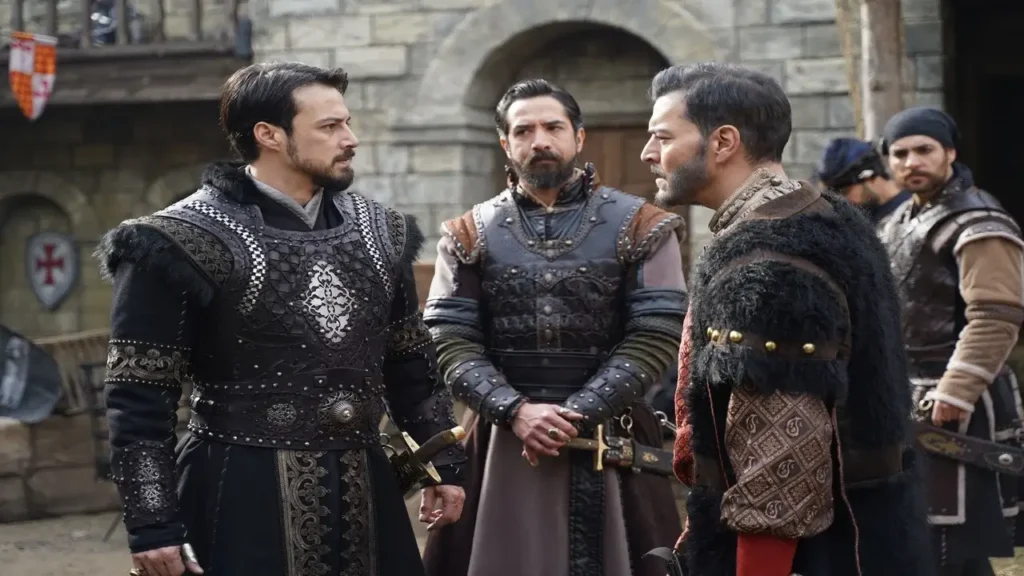
Kurulus Orhan Episode 15 delivers intense siege warfare as Orhan defends Gemlik Castle against Asporça’s forces. Şahinşah’s betrayal leaves Ottoman warriors trapped, while Dafne’s true loyalty faces ultimate test in this gripping February 2026 release. The Siege Begins: Orhan Trapped Inside Gemlik The anticipated Kurulus Orhan Episode 15 promises to deliver one of the most intense episodes yet as Sultan Orhan Gazi finds himself surrounded inside Gemlik Castle. Following last week’s shocking conquest of the fortress, what seemed like a strategic victory has transformed into a deadly trap. Princess Asporça and Commander Flavius have encircled the castle with overwhelming forces, cutting off all escape routes and supply lines. The episode opens with Cerkutay Bey reporting grim news from the castle walls. Enemy banners stretch across the horizon, revealing an unexpected alliance that threatens to crush the Ottoman forces completely. Eretna Bey’s standard flies alongside Byzantine colors, doubling the siege army and creating a formidable blockade around every gate. With limited provisions and ammunition, Orhan faces an impossible choice. Surrender means execution, but fighting could mean losing his entire war council. The castle that was meant to be his greatest triumph now threatens to become his tomb. Yet viewers who have followed the series know that Orhan Bey specializes in turning desperate situations into legendary victories. Şahinşah Bey’s Ultimate Betrayal Exposed Perhaps the most devastating revelation in Episode 14 was Şahinşah Bey’s calculated treachery. The Kınık Bey, who was supposed to reinforce Orhan’s army at the critical moment, instead orchestrated an ambush that prevented his forces from reaching the battlefield. His son Yiğit watched in horror as his father revealed a secret alliance with Asporça, prioritizing personal ambition over loyalty to the Ottoman cause. Episode 15 will explore the devastating consequences of this betrayal. Şahinşah justified his actions by claiming he was saving his people from Orhan’s reckless leadership. He argued that the young sultan’s aggressive expansion policies threatened to destroy all Turkmen tribes in endless warfare against superior enemies. However, his collaboration with Byzantine forces against fellow Muslims reveals motivations far less noble than he claims. The upcoming episode will show Yiğit’s internal struggle as he confronts an impossible dilemma. His father demands loyalty to the Kınık tribe, while his heart remains with Fatma Hatun and the Ottoman camp. His engagement to Orhan’s sister makes this betrayal even more personal and painful. Will he stand with his father or risk everything to warn the Ottomans of the trap closing around them? Meanwhile, Malhun Hatun and the women of Bursa prepare for the worst. They understand that if Orhan falls at Gemlik, their newly conquered city will be next. The palace fills with tension as scouts bring increasingly dire reports about the siege. Dafne Hatun: Spy or Savior? The question of Dafne’s true allegiance reaches its climax in Kurulus Orhan Episode 15. Nilüfer Hatun’s sister has been under suspicion since Temurtaş’s rescue attempt failed, when a dying attacker seemed to identify her as the informant. Orhan confronted his wife with these suspicions, creating a painful rift in their marriage just as he needed unity most. However, Episode 14 ended with Dafne racing to warn Nilüfer about Flavius’s trap at Karaçayır. She claimed Byzantine forces discovered Orhan’s headquarters location and planned to strike there before attacking Gemlik Castle. This information could only have come from deep inside the enemy command structure, suggesting Dafne either has access to Byzantine war councils or is being fed false intelligence to mislead the Ottomans once again. Nilüfer faces a terrible choice in Kurulus Orhan Episode 15. She can trust her sister’s warning and mobilize Bursa’s defenders to intercept the attack, potentially saving Orhan from assassination. Or she can assume this is another layer of deception designed to draw Ottoman forces away from Gemlik, leaving the besieged garrison without hope of relief. The preview footage shows Nilüfer making her decision, gathering Boran Bey and the available alpler for an emergency sortie. She warns Dafne that if this proves to be a trick, she will personally execute her sister. The stakes couldn’t be higher as family bonds clash with military necessity in one of the series’ most emotionally charged confrontations. Flavius and Orhan: Destined Enemies Meet Again Commander Flavius has emerged as Orhan’s most dangerous personal enemy. Unlike Asporça, who fights for political power, Flavius harbors deep personal hatred for the Ottoman leader. Their previous encounters left both men wounded and humiliated, creating a vendetta that transcends normal battlefield rivalry. In Episode 14, Flavius demonstrated his tactical brilliance by ambushing Cerkutay’s reinforcement column at the exact moment they were most vulnerable. He personally wounded Cerkutay in combat, proving he’s as dangerous with a sword as he is with strategy. His raid succeeded in killing numerous Ottoman veterans and destroying critical supplies meant for the Gemlik garrison. Now Flavius stands outside Gemlik’s walls, calling for Orhan’s surrender. But his message to Princess Asporça revealed his true intentions: he wants to kill the Ottoman sultan personally, face to face in single combat. Kurulus Orhan Episode 15 will deliver on the confrontation these two warriors have been building toward since their first clash. The episode preview shows Orhan accepting the challenge despite his advisors’ protests. He understands that Flavius’s death would demoralize the Byzantine forces more than any tactical maneuver. Their duel will be one of the series’ most anticipated action sequences, with both actors performing their own stunts for maximum authenticity and impact. Alaattin and Gonca’s Dangerous Mission to Kütahya While Orhan battles for survival at Gemlik, his brother Alaattin Bey faces a different kind of danger on the road to Kütahya. Traveling with his pregnant wife Gonca Hatun, he’s been sent on a diplomatic mission to secure an alliance with Germiyan Bey, Gonca’s estranged father who previously rejected their marriage. Kurulus Orhan Episode 15 will reveal whether Germiyan’s heart has softened toward his daughter or if old wounds remain too deep to heal. Gonca carries hope that her father will relent when he sees her condition and meets
Mehmed Fetihler Sultanı Episode 70 English and Urdu Subtitles: Stefan’s Death Ignites Bosnia Campaign
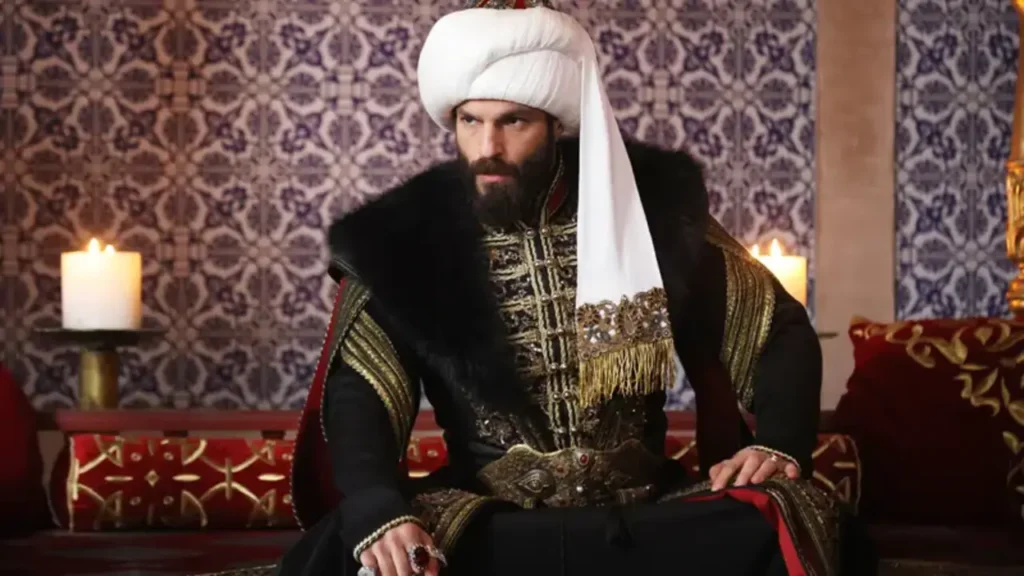
Mehmed Fetihler Sultanı Episode 70 airs February 17, 2026 featuring Sultan Mehmed’s Bosnia campaign launch following King Stefan’s execution. Stream with English and Urdu subtitles exclusively on Vidtower.in as Ottoman forces mobilize against the Christian alliance. Check Also: Kurulus Orhan Episode 15 English and Urdu Subtitles What Happens After Stefan’s Execution in Episode 70? Episode 69 concluded with a pivotal moment—King Stefan Tomašević’s brutal execution at Semendire Castle. The Bosnian ruler who ordered Şehabettin Paşa’s assassination met his end at the hands of Vlad Dracula and Ottoman commanders. This calculated move by Sultan Mehmed II sends shockwaves through the Christian world. Mehmed Fetihler Sultanı Episode 70 opens in the aftermath. Queen Katerina now faces the daunting task of leading Bosnia alone. The execution wasn’t merely revenge—it was a strategic masterstroke designed to destabilize the anti-Ottoman coalition before the grand campaign begins. Mahmut Paşa successfully rallied the Anatolian sipahis in Edirne despite initial resistance from Türkmen lords like Abdurrahman Bey. His appointment as acting Beylerbey of Anatolia solidified Sultan Mehmed’s control over military preparations. The army stands ready. Sultan Mehmed Declares the Bosnia Campaign The Divan-ı Hümayun convenes for the final time before departure. Sultan Mehmed Han addresses his commanders with unwavering resolve. He declares that the time for patience has ended. Bosnia’s defiance, the martyrdom of Şehabettin Paşa, and the growing Christian alliance demand immediate action. Hacı Ali Kuşçu, the renowned astronomer, presented calculations warning of harsh winter conditions—frozen ground, scarce water, brutal winds across the Thracian plains, and treacherous mountain passes through Filibe (Plovdiv). Despite these warnings, Sultan Mehmed refuses delay. His reasoning is clear: oppressed Muslims in the Balkans cannot wait. The Christian alliance grows stronger daily. Winter may be fierce, but faith burns brighter. As he proclaimed, “On earth and in the heavens, only Allah’s power can frighten us.” The war drums sound. Banners rise. Horses receive ceremonial henna. The Ottoman army prepares to march. Vlad Dracula’s Cunning Alliance Maneuvers Vlad Tepes continues manipulating all sides. He secured massive funding from Jewish merchants through promises he never intends to keep. He convinced the Papacy to support his cause by positioning himself as Christianity’s defender against Turkish expansion. Most dangerously, Vlad forged an uneasy alliance with Hungarian commander Gabor and the Macar forces stationed in Bosnia. Queen Katerina depends on Hungarian military support, but tensions simmer. Gabor openly disrespects Bosnian authority, creating fractures Vlad can exploit. The fall of Semendire Castle revealed Hüseyin Ağa’s deep infiltration network. Ottoman sympathizers within Christian territories opened gates, allowing swift conquest. Vlad anticipated this and used Stefan’s downfall to position himself as the strong leader the Christian coalition needs. However, Mustafa Çelebi and Bayezid proved their worth. Mustafa navigated ambushes successfully, while Bayezid’s confrontation with Vlad at the Jewish merchant execution demonstrated growing Ottoman prince capabilities. Queen Katerina’s Dangerous Game in Bosnia Katerina Tomašević emerges as Bosnia’s sole ruler after her husband’s death. Unlike Stefan’s reckless ambition, Katerina plays a calculated game. She secured Bosnian nobility’s loyalty by presenting Vlad as her military advisor rather than allowing Stefan’s legacy to crumble. The grain warehouse fire orchestrated by Radu (Vlad’s brother) nearly crippled Bosnian food supplies. Marco, Katerina’s trusted guard, uncovered the sabotage but the damage persists. Winter campaigns require provisions—Bosnia now struggles with depleted reserves. Katerina faces impossible choices. She needs Hungarian military might but refuses to become Gabor’s puppet. She requires Vlad’s tactical genius but knows he serves only himself. She must unite Catholic Bosnian nobles who previously opposed royal authority. Her survival depends on defeating Sultan Mehmed’s approaching army. Failure means Ottoman annexation and the end of independent Bosnia. Internal Ottoman Politics Heat Up İshak Paşa’s position as Grand Vizier grows precarious. His attempt to control the Bosnia campaign by sending Ömer to spy backfired when Ömer’s loyalty to Sultan Mehmed superseded all else. The Sultan’s pointed reminder about Çandarlı family’s fate sent chills through the Divan. Sultan Mehmed elevated Mahmut Paşa deliberately, creating competition within his administration. This wasn’t mere favoritism—it was statecraft. By empowering the devshirme (Christian-origin convert) against the Türkmen establishment, Mehmed ensures no single faction dominates. Doğan Paşa and Hüseyin Ağa demonstrated unwavering loyalty. Their military prowess combined with intelligence networks make them invaluable. The purge of Janissary rebels cleansed the Ocak (military corps) of dissent, preparing a unified fighting force. Meanwhile, Sultan Mehmed’s personal life showed strain. His marriage to Princess Roza (Rosa) remained political, respecting her Christian faith per Islamic law. However, Gülşah Hatun’s miscarriage brought genuine grief, revealing the human cost of imperial duty. What to Expect in Episode 70 The March Begins Expect spectacular scenes of the Ottoman army’s mobilization. Thousands of soldiers, cavalry units, artillery trains, and supply wagons moving through winter landscapes. Historical epics thrive on these moments—the series will deliver. Vlad’s Next Move With Stefan eliminated and funding secured, Vlad positions himself as the Christian coalition’s de facto military commander. His plan to capture Semendire permanently sets up a major confrontation. Will Hüseyin Ağa’s infiltration continue working, or has Vlad identified the traitors? Katerina’s Leadership Test The new Queen of Bosnia must prove she can lead in wartime. Expect political maneuvering with nobility, tense negotiations with Gabor, and difficult decisions about resource allocation. Her character development becomes crucial. Family Drama Intensifies Vlad’s brutal treatment of his mother Morena showed his ruthless nature. Radu’s failed sabotage puts him in mortal danger. The Dracula family’s dysfunction mirrors the broader conflict’s chaos. Mustafa and Bayezid’s Roles Both princes demonstrated competence. Sultan Mehmed increasingly relies on them for critical missions. Their continued development as future leaders forms an ongoing subplot. Historical Context: The Real Bosnia Campaign of 1463 The series dramatizes Sultan Mehmed II’s actual 1463 conquest of Bosnia. Historically, the campaign proved remarkably swift—the Ottoman army moved through winter conditions and conquered the kingdom in roughly one month. King Stefan Tomašević did seek help from Hungary, Venice, and the Papacy. All failed to provide sufficient support. His execution after Jajce Castle’s fall sent shockwaves through Christian Europe, proving no kingdom was
Kurulus Orhan Episode 14 English and Urdu Subtitles: Assassination Plot Targets Sultan Orhan at Tekke
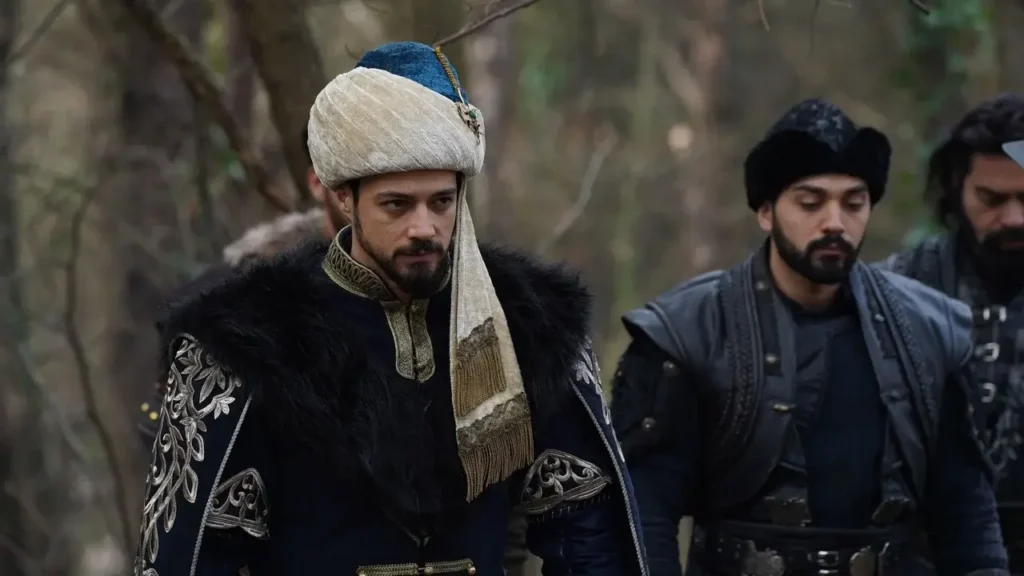
The tranquil sanctity of a Sufi tekke is about to become a battlefield. As Kurulus Orhan Episode 14 approaches its February 11, 2026 release, the spiritual journey Sultan Orhan embarks upon in Episode 13’s closing moments conceals a lethal trap orchestrated by Princess Asporça and Commander Flavius—a conspiracy that could end the Ottoman dream before it truly begins. Check Also: Mehmed Fetihler Sultanı Episode 69 English and Urdu Subtitles English Subtitles: CDNBye JWPlayer Demo Urdu Subtitles: Episode 13 Recap: The Web of Betrayal Tightens Episode 13 delivered seismic political shifts that reshaped the entire Anatolian landscape. Sultan Orhan’s public humiliation of Temurtash before gathered Turkic beylik envoys wasn’t merely theater—it was strategic messaging that declared the age of Mongol domination finished. The chained Ilkhanid governor represented 100 years of oppression broken by Ottoman will. But the episode’s most consequential development emerged from Byzantine desperation. Emperor Andronikos III, cornered by internal rebellion and Ottoman military pressure, accepted Sultan Orhan’s terms: Ottoman forces would garrison between Iznik and Izmit, protecting the emperor from his own grandson Yohannes’ coup attempt. The price? One Gemlik harbor and a dynastic marriage between Orhan and Princess Asporça. Alaeddin Bey’s successful diplomatic mission to Constantinople exposed the depths of Byzantine internal rot. Yohannes’ hired assassins nearly killed the emperor during an arena ceremony before Alaeddin and Flavius intervened. The emperor’s survival came at the cost of accepting Ottoman hegemony over his remaining territories. Meanwhile, Fatma Hatun’s engagement to Yiğit Alp proceeded despite her obvious heartbreak over Flavius. The ceremonial sherbet drinking masked emotional devastation, creating a powder keg of suppressed feelings that will inevitably explode. The Tekke Assassination: Dafne’s True Allegiance Revealed Episode 13’s final sequence shattered assumptions about loyalty and identity. Dafne, Asporça’s trusted handmaiden, attempted to murder the princess in her own chambers. The shocking betrayal revealed Dafne’s true allegiance: not to Asporça, not to Byzantium’s throne, but to the abstract ideal of “Holy Rome” itself. Dafne’s chilling declaration—”Your dynasty is leading Holy Rome to destruction. I will not allow it”—exposed a fanatical devotion that transcends personal relationships. She views Emperor Andronikos’ pragmatic accommodation with Sultan Orhan as existential betrayal deserving of death. The attempted assassination failed, but Dafne’s escape guarantees she remains a threat. More critically, her final words to Asporça planted the seed that will bloom into Episode 14’s conspiracy: “Orhan must die before this war ends. Every method is permissible to end this war.” Asporça’s Calculated Response: Alliance with Orhan’s Enemies Princess Asporça’s transformation from reluctant diplomat to active conspirator represents the series’ most significant character evolution. Her conversation with Flavius after learning of the forced marriage revealed cold strategic calculation beneath the emotional outrage. The princess correctly identified that Sultan Orhan’s expansion threatens not just Byzantine territory but the empire’s psychological foundation. Bursa fell without prolonged siege. Iznik now sits under Ottoman protection. Gemlik’s harbor provides naval access. Each concession erodes Byzantine prestige while strengthening Ottoman legitimacy. Asporça’s declaration—”I will start a rebellion against my own father if necessary, but I will neither marry Orhan nor surrender Bursa and Iznik”—signals she views the marriage demand as the final indignity requiring desperate countermeasures. Her strategic conclusion mirrors Dafne’s fanaticism through different reasoning: “Whoever opposes Orhan in the frontier regions is naturally our friend. We must fight Orhan like Orhan fights.” This adopts Ottoman strategic methods while building an anti-Orhan coalition among jealous Turkic beyliks. The Tekke Trap: Spiritual Sanctuary as Killing Ground Sultan Orhan’s Episode 13 visit to the tekke represented genuine spiritual seeking. His humble approach—removing royal regalia, presenting himself as “a servant seeking love of the Truth”—reflected Islamic traditions of sultans shedding worldly authority before Sufi masters. The sheikh’s welcoming response—acknowledging that Orhan’s presence at the threshold proved divine acceptance—established the tekke as sacred space. This makes the planned assassination even more profane. Attacking someone during spiritual retreat violates fundamental codes of both Islamic hospitality and Byzantine Christian honor. Kurulus Orhan Episode 14 will transform this sanctuary into an ambush site. The mevlevi ceremony Orhan participates in—the whirling meditation accompanied by ney flute and spiritual poetry—provides the perfect cover. Surrounded by dervishes in ecstatic rotation, assassins can approach undetected until the killing stroke. The Yunus Emre poetry referenced in Episode 13’s closing moments takes on sinister meaning: “I grabbed the skirt of a pir (master)… I couldn’t reach the right path… my sins are many, my face is black.” These verses about spiritual inadequacy will underscore the moral corruption of murdering a seeker during worship. Bursa’s Ethnic Tensions: The Ahilik-Rum Merchant Conflict Episode 13 introduced simmering commercial tensions that Asporça’s agents will exploit. The confrontation between Muslim ahi craftsmen and Christian Rum merchants over marketplace positions revealed competing economic visions for Bursa’s future. Boran Bey’s intervention prevented immediate violence, but his warning that “Sultan Orhan will issue a decree establishing trade order, with equitable taxation for both Muslim and non-Muslim” threatens vested interests on both sides. Muslim guilds fear losing traditional privileges. Christian merchants suspect any “equitable” system will favor the new Muslim ruling class. The ahi tekke attack Sheikh Edebali mentioned—where Rum merchants supposedly killed ahi members—provides the pretext for Kurulus Orhan Episode 14’s escalation. Whether the attack genuinely occurred or represents false-flag provocation remains unclear, but the result is identical: communal violence that undermines Sultan Orhan’s authority. Dafne’s escape after her failed assassination attempt positions her perfectly to coordinate this unrest. Her knowledge of palace routines, fluency in both Greek and Turkish, and fanatical commitment make her the ideal agent provocateur to ignite Bursa’s ethnic powder keg. The Karesi Beylik Question: Demirhan Bey’s Dangerous Game Demirhan Bey’s volatile reaction to Sultan Orhan’s Biga harbor request created another crisis vector. His furious rejection—”We have no harbor to gift or rent”—masked deeper anxieties about Karesioğulları autonomy. Demirhan correctly perceives the harbor request’s strategic implications. Biga controls access to the Dardanelles strait. Ottoman presence there would position forces for eventual assault on Constantinople itself. What begins as commercial “rental” inevitably becomes permanent occupation, then outright annexation. The Ilkhanid envoy seeking
Mehmed Fetihler Sultanı Episode 69 English and Urdu Subtitles: Sultan’s Strategic Gambit Unfolds
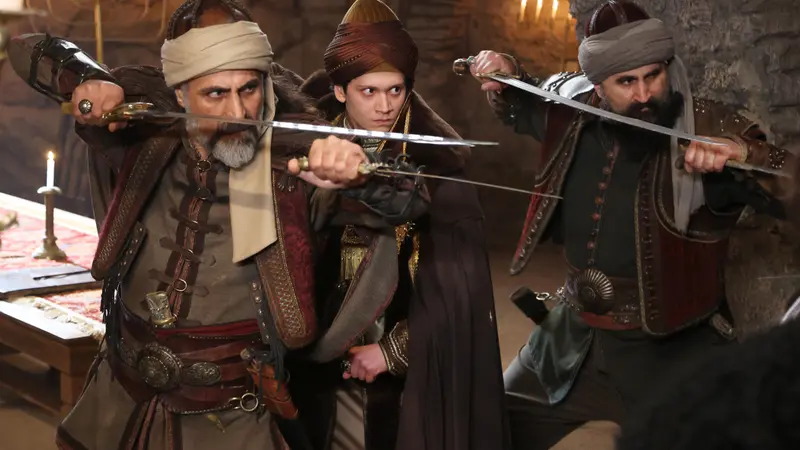
The Ottoman political chessboard is about to witness its most dangerous move yet. As Mehmed Fetihler Sultanı Episode 69 approaches its February 10, 2026 release, the fallout from Episode 68’s explosive revelations promises a clash between diplomatic cunning and raw battlefield violence that will reshape the entire Bosnian campaign. Check Also: Kurulus Orhan Episode 14 English and Urdu Subtitles English Subtitles: Urdu Subtitles: Episode 68 Recap: The Trap Within The Trap Mehmed Fetihler Sultanı Episode 68 delivered a masterclass in Ottoman strategic thinking. Sultan Mehmed Han didn’t just intercept the Hungarian gold shipment—he orchestrated a multi-layered operation that turned enemy alliances into liability. The capture of Queen Katarina alongside three million gold coins wasn’t merely tactical opportunism. It was calculated psychological warfare designed to starve the Hungarian-Bosnian alliance of resources while sowing distrust among Christian coalition members. The Divan-ı Hümayun opening prayer set the thematic foundation: “Every door’s key is prayer, but afterward, the work belongs to the servant.” This philosophy guided every decision that followed. When Ali Bey brought news of King Matthias Corvinus sending massive Hungarian reinforcements to Bosnia, the Sultan didn’t react with panic. Instead, he revealed preparedness that bordered on prescience. Bahadır Paşa’s ambush on the gold convoy demonstrated Ottoman intelligence superiority. But the real genius emerged in Sultan Mehmed’s refusal to immediately march to war despite pressure from commanders like Zanos Paşa. The Sultan recognized that time itself had become a weapon—every day the Hungarian army waited without pay and provisions would breed internal conflict. English Subtitles: CDNBye JWPlayer Demo Urdu Subtitles: Şehzade Bayezıt’s Deadly Mission to Ragusa The assignment of Şehzade Bayezıt to Ragusa represents Sultan Mehmed’s most audacious gamble. The young prince wasn’t sent merely to negotiate with Ragusan Jewish merchants who financed the Christian coalition. He was dispatched as a living symbol of Ottoman resolve—a message that the Sultan valued this mission enough to risk his own bloodline. İshak Paşa made the strategic calculation clear in the Divan: these five merchants controlled European war financing. Their ledgers held more power than a dozen fortresses. Cutting their support wouldn’t just weaken the Hungarian army—it would collapse the entire credit system sustaining anti-Ottoman operations across the Balkans. But Vlad Dracula had other plans. His appearance in Ragusa’s closing moments wasn’t coincidence—it was carefully orchestrated betrayal. The Wallachian voivode’s chilling declaration to Bayezıt revealed the depth of his strategy: “Today you’ll die here, and your beloved father will march to that long-awaited campaign.” The Ragusa Merchant Council’s Hidden Power The Ragusan merchant leadership operates from a fortified stronghold that has never faced military assault. Their spokesman’s arrogant dismissal of Ottoman threats—”No war begins or ends without our gold”—reflects genuine geopolitical influence built over generations of conflict financing. These merchants don’t simply lend money. They manipulate international debt structures to control military outcomes. Their threat to Şehzade Bayezıt carried weight: close Constantinople’s trade routes, embargo Ottoman merchants, and strangle the empire’s commercial lifelines. Sultan Mehmed understands this financial warfare perfectly. That’s why he sent his son rather than a vezir. The presence of an heir to the Ottoman throne signals that this negotiation isn’t optional—it’s a final warning before military annihilation. Internal Threats: The Yeniçeri Corruption Scandal While external enemies plot in Ragusa, internal rot threatens from within. Şehzade Mustafa uncovered a criminal network led by Maksut and İrfan Ağa that has been extorting merchants, manipulating military supplies, and corrupting the Yeniçeri corps with usury operations disguised as charitable lending. The scheme’s sophistication shocked even Sultan Mehmed. These rogue elements established a parallel financial system inside the army itself, lending money at 200% interest while staging fake disasters to justify their predatory loans. Baharatçı Adem Efendi’s flooded warehouse and Demirci İbrahim Efendi’s ambushed caravan were both fabricated crises designed to trap desperate merchants. Doğan Paşa recognized the cancer immediately: “When warriors start earning more in the city than on campaign, the sword rusts and discipline dies.” The Yeniçeri were being transformed from elite soldiers into urban racketeers. Sultan Mehmed’s response demonstrated his understanding of leadership psychology. Rather than handle the matter himself, he delegated judgment to Şehzade Mustafa, forcing his son to balance mercy with justice in front of the entire corps. The young prince’s decision would define his fitness for future command. Vlad’s Master Plan: Provoking The Sultan Vlad Dracula’s strategy operates on intimate knowledge of Sultan Mehmed’s character. The Wallachian prince understands that the Sultan won’t march to Bosnia merely over lost gold or captured queens. But a dead son? That would ignite rage no amount of strategic patience could contain. Vlad’s earlier sabotage of Queen Katarina’s rescue convoy through his brother Radu served this larger purpose. Every setback strengthens the narrative that only overwhelming Ottoman force can resolve the Bosnian situation. By killing Bayezıt in Ragusa and sending his bloodied kaftan to the Sultan, Vlad aims to transform measured strategy into vengeful fury. Kral Stefan initially resisted this extreme approach, but Vlad’s response revealed his ruthlessness: “Loyalty matters above everything—I recognize neither brother nor mother when it comes to that.” This willingness to sacrifice family for strategic advantage mirrors Sultan Mehmed’s own pragmatism, making them perfect antagonists. Sultan Mehmed’s Counter-Intelligence Web Episode 68 revealed that Sultan Mehmed anticipated every move. Radu’s supposed betrayal was actually a deep-cover operation authorized by the Sultan himself. The young Wallachian prince’s mission: infiltrate the Christian alliance, feed disinformation, and create fractures between Hungarian and Bosnian leadership. Bahadır Paşa’s decision to let Queen Katarina escape after capturing her wasn’t battlefield incompetence—it was calculated statecraft. Her return to Bosnia empty-handed would intensify tensions with Hungarian commanders who expected the gold she no longer possessed. This layered deception explains why Sultan Mehmed remained so confident despite apparent setbacks. He wasn’t reacting to enemy moves—he was choreographing them. The Diplomatic Marriage: Gülşah and Princess Rose Sultan Mehmed’s planned marriage to Princess Rose of Bosnia represents another strategic dimension. Gülşah Hatun’s pregnancy complicates the political timing, but she herself recognized the necessity: “If your dream was Constantinople then, your dream is
Kurulus Orhan Episode 13 English and Urdu Subtitles: The Battle That Changes Everything
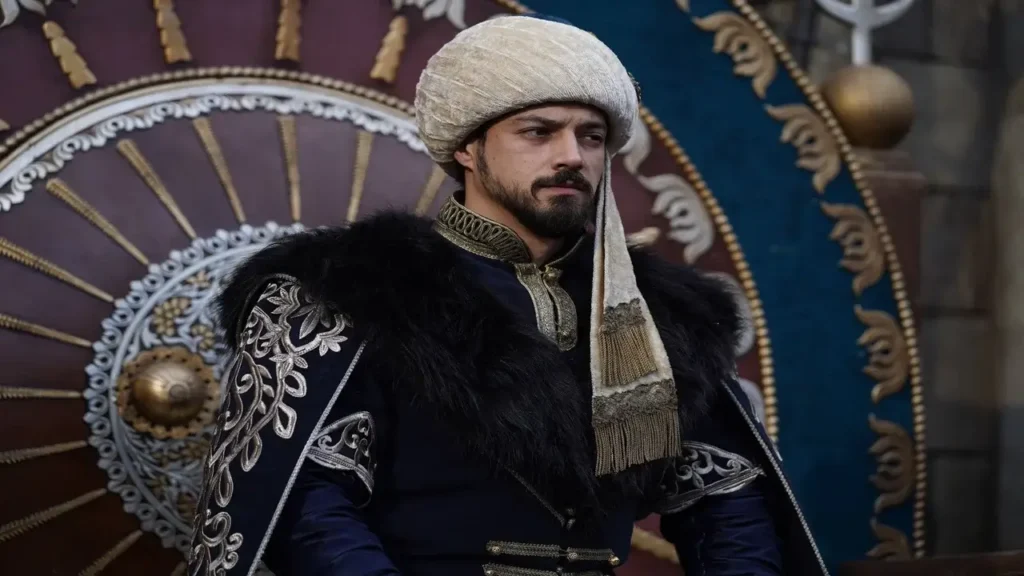
Kurulus Orhan Episode 13 sees Sultan Orhan Bey engaging in a decisive battle against Temurtash’s Ilkhanid forces while also laying siege to Iznik. The episode features strategic warfare, betrayal from within, and the young princes beginning their training. English subtitles release February 4, 2026 on vidtower.in. The thirteenth episode of Kurulus Orhan delivers what fans have been waiting for since the sultanate declaration—a full-scale confrontation between the newly proclaimed Sultan Orhan Bey and the Ilkhanid commander Temurtash. This isn’t just another skirmish. It’s the kind of battle that determines whether the Ottoman state survives its infancy or gets crushed before it can truly begin. What Happens in Kurulus Orhan Episode 13 Orhan’s decision to execute Temurtash’s envoy in the previous episode has consequences that arrive swiftly. Temurtash doesn’t send threats or warnings. He captures an Ottoman border post and turns it into his military headquarters, making his intentions brutally clear. The episode splits the action across multiple fronts. While Orhan prepares for direct combat with Temurtash, he sends Alaeddin Bey to besiege Iznik. This dual strategy serves a purpose—it prevents Princess Asporça and the Byzantine forces from joining Temurtash’s attack on Bursa. The Ottomans can’t afford to fight on too many fronts simultaneously. What makes this episode compelling is the betrayal element. Delice Bey, who seemed to pledge loyalty to Orhan, is actually working for Temurtash. During the crucial battle, he withdraws his forces mid-combat, leaving Orhan’s army at half strength. It’s a devastating tactical blow that could have ended everything. English Subtitles: Urdu Subtitles: The Strategy Behind the Chaos Orhan’s approach to this crisis reveals why he’s positioned as a strategic thinker rather than just a warrior. He anticipates Temurtash’s confidence after the initial retreat. The Ilkhanid commander celebrates too early, drinking and feasting with his new Byzantine allies while assuming Orhan is defeated. This overconfidence becomes his downfall. Orhan launches a night assault on Temurtash’s camp, catching the celebration off guard. The fighting is vicious and personal. When Orhan finally confronts Temurtash directly, it’s not just about winning a battle—it’s about establishing that Ilkhanid authority no longer holds power in these territories. The Byzantine subplot adds another layer. A conspiracy within Constantinople sees some factions attempting to overthrow the emperor and replace him with his grandson Johannes Palaiologos. Stefan, a Byzantine commander, allies with Temurtash for this purpose. But Princess Asporça remains loyal to her grandfather, creating a split that Orhan exploits diplomatically. The Princes’ Departure and Personal Struggles Away from the battlefield, the episode addresses the human cost of building a state. Orhan’s sons—Suleiman, Murad, and Kasim—leave for their training. This is framed as a necessary step in their education as future leaders, but the scenes with Malhun Hatun and Bala Hatun show the emotional weight of sending children away during wartime. There’s a parallel storyline involving Fatma Hatun that explores the complications of personal desires versus political necessity. Her relationship with the Byzantine commander Flavius (who went by the name Akçora) has reached an impossible point. She agrees to marry Yigit Bey instead, attempting to bury her feelings through duty. The confrontation between Fatma and Flavius is raw—he offers to abandon everything for her, but she refuses, choosing loyalty to her family and state over her heart. Why This Episode Matters Kurulus Orhan Episode 13 represents a turning point in the series’ narrative structure. The first twelve episodes built toward Orhan’s sultanate declaration and the inevitable response from larger powers. Now we see whether those larger powers—specifically the Ilkhanids—can actually crush this upstart state. Temurtash represents the old order, the Mongol authority that has dominated Anatolia for decades. His defeat doesn’t just mean Orhan wins a battle. It signals that the balance of power is genuinely shifting. Other Turkic beyliks are watching closely. If Orhan can defeat Temurtash without being destroyed in retaliation, it changes the calculation for everyone about whether independence from Ilkhanid control is actually achievable. The episode also deepens the show’s exploration of statecraft. Building an army is one thing. Managing alliances, anticipating betrayals, conducting diplomacy while simultaneously preparing for war—these are the skills that determine whether a state survives past its founder. Historical Context Worth Knowing While Kurulus Orhan takes creative liberties with timelines and specific events, the broader historical framework is accurate. The early Ottoman state did face significant opposition from the Ilkhanids, who viewed Anatolia as within their sphere of influence. The Byzantines were dealing with internal succession disputes throughout this period. Multiple civil wars weakened Constantinople’s ability to respond effectively to Ottoman expansion. The real Orhan Bey’s strategy of simultaneous military pressure and diplomatic maneuvering matches what the show portrays. He understood that direct confrontation with larger powers required creating divisions among potential enemies. If the Byzantines and Ilkhanids coordinated their response, the early Ottoman state wouldn’t have survived. Keeping them divided or even playing them against each other was essential. English Subtitle Availability For international viewers, English subtitles for Kurulus Orhan Episode 13 will be available on February 4, 2026 through vidtower.in. The translation team has been consistent in providing subtitles within 24 hours of the Turkish broadcast, making it easier for the global audience to follow the series without delays. The subtitles capture not just literal translations but also cultural context, particularly around honorifics and political terminology that don’t have direct English equivalents. This attention to detail helps international viewers understand the nuances of dialogue that would otherwise be lost. What to Expect Going Forward With Temurtash defeated, the series will likely shift focus toward consolidating Ottoman control over newly conquered territories. Iznik’s siege continues, and its eventual fall would give Orhan a second major city after Bursa. That changes the Ottoman state from a frontier beylik into something that looks more like a genuine regional power. The Byzantine civil war subplot will probably expand. Orhan’s support for the legitimate emperor against Johannes creates a debt that could be called in later, possibly for territorial concessions around Gemlik or other strategic locations. The show has been
Mehmed Fetihler Sultanı Episode 68 With English Subtitles
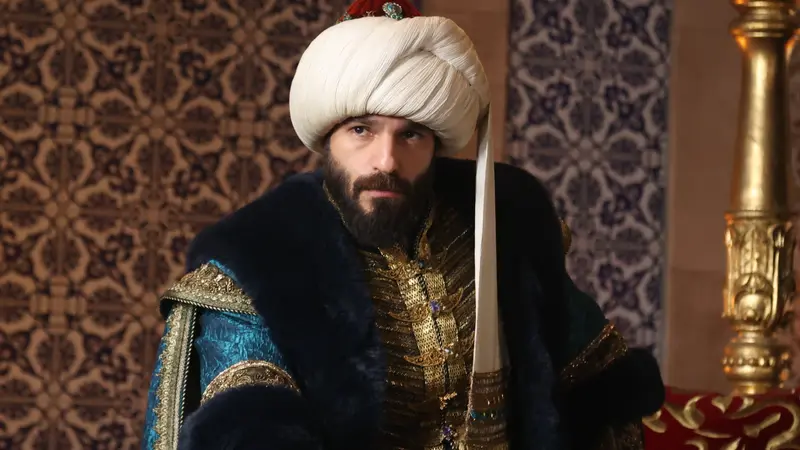
Mehmed Fetihler Sultanı Episode 68 witnesses Sultan Mehmed’s bold restructuring of power, the brutal Bogomil massacre orchestrated by Vlad Dracula and Catholic forces, and Princess Rose’s desperate fight for survival as political machinations reach a devastating climax. Episode Release Date: February 3, 2026 There are moments in historical drama when everything shifts—when leadership is tested, alliances crumble, and the path forward demands both courage and sacrifice. Mehmed Fetihler Sultanı Episode 68 (Season 3, Episode 18) delivers exactly that kind of transformative storytelling. As I watched this episode unfold, I found myself gripping my seat during scenes of political upheaval in the Ottoman court and heart-wrenching tragedy in the Bogomil villages of Bosnia. For fans following this epic series on platforms like Vidtower.in, this episode marks a genuine turning point—not just in the season’s arc, but in how we understand Sultan Mehmed’s vision of leadership during one of history’s most complex periods. English Subtitles: The Story Without Spoilers: Key Narrative Threads The Leadership Test: Sultan Mehmed’s Decisive Moment Tribal Politics and Shifting Loyalties The Enemy’s Devastating New Strategy Emotional Depth: Personal Costs of Political Games Why This Episode Matters: Character Arcs and Season Foundation Mehmed Fetihler Sultanı Episode 68 serves as a crucial hinge point in the season’s narrative architecture. Sultan Mehmed’s willingness to replace his Grand Vizier mid-campaign demonstrates a level of political courage that historical sources confirm about the real Mehmed II. The show doesn’t present him as infallible but as someone willing to correct course when necessary. The Bogomil massacre storyline grounds the series in the harsh religious politics of 15th-century Europe. By showing the Pope’s direct involvement in sanctioning violence against heretics, the episode illuminates the complex religious landscape that made the Ottoman Empire’s relative tolerance appear revolutionary to many persecuted communities. Princess Rose’s transformation from Bosnian nobility to refugee mirrors countless historical figures caught between empires. Her journey toward the Ottoman court (as foreshadowed by Bahadır Pasha’s orders) will likely become a significant subplot exploring themes of conversion, survival, and identity. The introduction of Ali Kuşçu, the renowned Uzbek astronomer and scholar, signals the series’ intention to highlight Mehmed’s patronage of science and learning. His assignment to create a military campaign calendar based on astronomical calculations shows how Islamic civilization integrated scientific knowledge into practical governance. Cinematography & Action: Visual Storytelling at Its Peak The production team deserves enormous credit for this episode’s visual composition. The contrast between the opulent Ottoman court and the burning Bogomil villages creates a powerful juxtaposition that underscores the episode’s central themes. Court Scenes: The camera work during the Janissary rebellion is particularly effective, using tight close-ups on Sultan Mehmed’s face to capture his internal calculation. You can see the wheels turning as he weighs tradition against pragmatism. The staging of Mahmut Pasha’s public dismissal—the removal of the seal, the black robe—follows Ottoman protocol with historical accuracy that history enthusiasts will appreciate. Battle Sequences: The nighttime raid on the Bogomil villages employs handheld camera work that immerses viewers in the chaos. The use of fire as both literal destruction and symbolic purification (from the Catholic perspective) is visually striking. Rose’s defense of her people, shot with dynamic angles that emphasize her determination despite impossible odds, ranks among the series’ most compelling action sequences. Costume Design: The distinction between Ottoman court dress, Janissary uniforms, European royal attire, and Bogomil civilian clothing helps viewers track the episode’s multiple storylines. Ali Kuşçu’s Central Asian attire particularly stands out, visually representing the cultural bridge between Turkic peoples. Facial Expressions: The director clearly instructed actors to convey emotion through subtle facial work. Watch Vlad Dracula’s micro-expressions during his papal audience—the brief flash of triumph when his deception succeeds, quickly masked by pious humility. Similarly, Sultan Mehmed’s controlled fury during Mahmut Pasha’s dismissal speaks volumes through restrained performance rather than theatrical anger. Final Verdict: Why Episode 68 Is a Must-Watch Mehmed Fetihler Sultanı Episode 68 exemplifies what historical drama should aspire to: entertainment that educates, action that serves character development, and political intrigue that illuminates real historical dynamics. For newcomers, this might seem like a challenging entry point given its heavy focus on ongoing storylines, but the episode’s self-contained dramatic arcs—particularly the Grand Vizier change and the Bogomil tragedy—work as standalone narratives. For longtime viewers, this episode rewards your investment with significant plot progression and character development. The pieces are clearly being positioned for the major Bosnian campaign that dominated Mehmed II’s mid-reign. The episode successfully balances multiple tones: the ceremonial gravity of Ottoman statecraft, the intellectual excitement of scientific patronage, the horror of religious persecution, and the intimate warmth of personal relationships. This tonal range keeps the pacing dynamic even during a dialogue-heavy episode. Rating: 9/10 – A masterfully constructed episode that advances the season’s narrative while delivering emotional impact and historical insight. The Bogomil massacre sequences are difficult to watch but important for understanding the era’s religious conflicts. The leadership transitions within the Ottoman court provide fascinating political theater grounded in historical reality. Whether you’re a fan of political intrigue, military history, or character-driven drama, Mehmed Fetihler Sultanı Episode 68 delivers on all fronts. It’s the kind of episode that reminds us why we fell in love with this series in the first place—respectful of history’s complexity while never forgetting that great storytelling requires great characters facing impossible choices. Frequently Asked Questions 1. When does Mehmed Fetihler Sultanı Episode 68 release? Mehmed Fetihler Sultanı Episode 68 (Season 3, Episode 18) releases on February 3, 2026. Fans can watch it on various streaming platforms including Vidtower.in with English subtitles. 2. Is the Bogomil massacre in Episode 68 based on historical events? Yes, the persecution of Bogomils in Bosnia during the 15th century is historically documented. The Bogomils were a Christian sect considered heretical by both Catholic and Orthodox churches. As the Ottoman Empire expanded into the Balkans, many Bogomils actually converted to Islam, partly to escape persecution from European Catholic forces. The episode dramatizes this religious conflict that was central to Bosnian history. 3. Why
Mehmed Fetihler Sultanı Episode 67 English & Urdu Subtitles: Sultan Mehmet Orchestrates Power Play as Bosnia Crisis Escalates
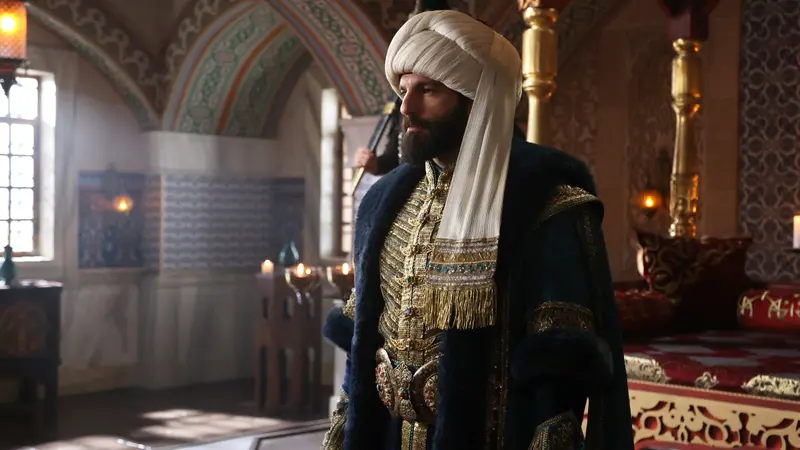
Mehmed Fetihler Sultanı Episode 67 centers on Sultan Mehmet’s masterful manipulation of internal palace conflicts while preparing for war in Bosnia. The Pope’s arrival in Bosnia and Vlad’s continued treachery create multiple fronts, as Mehmet orchestrates a shadow play to control his court and military. English Subtitles: Urdu Subtitle: The Master Puppeteer at Work What makes Mehmed Fetihler Sultanı Episode 67 fascinating isn’t the battlefield action—it’s watching Sultan Mehmet pull strings that nobody else can even see. While his advisors think they’re playing their own games, the Sultan is orchestrating everything from behind the scenes. It’s like watching a chess grandmaster playing against people who don’t realize they’re even in a match. The episode reveals that Mehmet knew about Vlad’s betrayal all along. He knew Morena would warn Vlad. He knew Radu would try to save his brother. Every piece moved exactly where Mehmet wanted it to go. Janissary Rebellion Shakes the Palace The tension that’s been building in the Janissary corps finally explodes. Hüseyin Ağa’s harsh methods have pushed the soldiers to their breaking point. When Sultan Mehmet announces the traditional “çanak yağması” (bowl plunder ceremony) where soldiers receive rewards, the Janissaries refuse to accept. This isn’t just about money or grievances. They’re directly challenging Mahmut Pasha’s authority as Grand Vizier. The soldiers gather in Cülus Square and openly declare they don’t want Mahmut Pasha in the sadaret position anymore. It’s a shocking moment—soldiers essentially demanding their Sultan fire his highest-ranking official. But here’s the brilliant part: Mehmet orchestrated the whole thing. Ali Bey confirms that Zanos and Isak Pasha spread whispers among the troops, turning simmering discontent into open rebellion. Hüseyin thinks he’s serving Mahmut. Mahmut thinks Hüseyin is his loyal man. Neither realizes they’re both pawns in the Sultan’s larger game. The Pope Arrives in Bosnia While Constantinople deals with internal drama, Bosnia becomes the next major flashpoint. Pope arrives personally to bless Bosnia and solidify a Christian alliance against the Ottomans. This is unprecedented—Popes don’t typically travel to distant territories like this. Princess Rose, despite her earlier cooperation with Mehmet against the Knights Templar, finds herself in an impossible position. Her mother, Queen Katerina, demands all Bogomils (a Christian sect considered heretical by Catholics) either convert to Catholicism or die. Rose even offers to be baptized Catholic herself if it saves innocent lives. The ceremony at Saint Mary’s Church is loaded with symbolism. The Pope baptizes Bosnia with holy water, declares Vlad Tepeş excommunicated (officially cut off from the Church), and announces that Hungarian forces will join Bosnia against the Ottomans. Three bells ring: one for the Turks, one for the Bogomils, and one calling all Christians to holy war. Vlad’s Twisted Redemption Attempt The most dramatically ironic moment comes when Vlad saves the Pope’s life. A Bogomil disguised as a bell-ringer attempts to assassinate the Pope during the ceremony. Vlad stops the assassination, kills the would-be assassin, and presents himself as Bosnia’s savior. It’s a calculated move. Vlad knows he’s lost favor with Mehmet and his position in Wallachia is shaky. By saving the Pope and positioning himself as indispensable to the Christian alliance, he’s trying to secure his future. The looks on everyone’s faces say it all—they hate him, but they need him. Meanwhile, Vlad had sent Radu to Constantinople to beg Mehmet for forgiveness, fully expecting Mehmet to execute Radu as punishment for Vlad’s betrayals. But Mehmet saw through this too. He tells Radu exactly what Vlad’s plan was, forcing Radu to confront that his own brother tried to have him killed. Mahmut Pasha’s Delicate Position Mahmut Pasha finds himself walking a tightrope. The Janissaries openly reject him, Hüseyin Ağa’s brutal training methods are causing injuries and deaths, and now there’s a major campaign to prepare for Bosnia. Isak Pasha suggests using the traditional “çanak yağması” to appease the troops—essentially buying their loyalty with gifts and money. Mahmut agrees and convinces the Sultan. But even this backfires when the soldiers refuse to accept, using the ceremony to air their grievances instead. What Mahmut doesn’t know is that Sultan Mehmet wanted this to happen. By allowing the Janissaries to express dissatisfaction but ultimately maintaining control, Mehmet demonstrates both his soldiers’ loyalty to him personally and keeps Mahmut appropriately humbled. East Turkestan Delegation In a quieter but equally important subplot, a delegation from East Turkestan arrives in Constantinople. Led by the poet Alisher Navoi, they’ve traveled thousands of miles seeking not military aid or money, but something more precious: to be remembered. They explain that Chinese forces are oppressing Turkic peoples in the east, but what they fear most isn’t death—it’s being forgotten by their Turkish brothers in the west. Sultan Mehmet promises that as long as Constantinople stands, East Turkestan will never be forgotten. He sends gifts and a letter of protection. This scene beautifully captures one of the series’ recurring themes: the Ottoman Empire sees itself as protector of not just Muslims, but all Turkic peoples scattered across Asia. Palace Intrigue: Gülşah and Lütfi There’s unexpected comic relief when Sultan Mehmet decides to play matchmaker. He sends Gülşah Hatun to Karaman so she can visit family, but really it’s because she’s caught his attention and he’s trying to create distance. Reyhan notices and teases him mercilessly about it. Then Mehmet decides to marry off Lütfi (his somewhat buffoonish but loyal servant) to Day Hatun. Lütfi is absolutely terrified. The contrast between Mehmet as the supreme political manipulator and Mehmet struggling with matters of the heart adds nice dimension to his character. Doğan Pasha’s Humiliation Doğan Pasha, who once held power in the Janissary corps, gets publicly stripped of his rank by Hüseyin Ağa. In a brutal ceremony, they remove his boots (symbolizing he can’t walk the sacred ground of the corps), his cap (the symbol of his rank), and tear his uniform. It’s devastating to watch. Doğan’s brother Turgut gets his legs broken as punishment. Later, Mahmut Pasha secretly helps Doğan by making him a palace guard, but the damage is done.
Kurulus Orhan Episode 12 English and Urdu Subtitles: Orhan Declares Ottoman Sultanate Following Bursa Victory
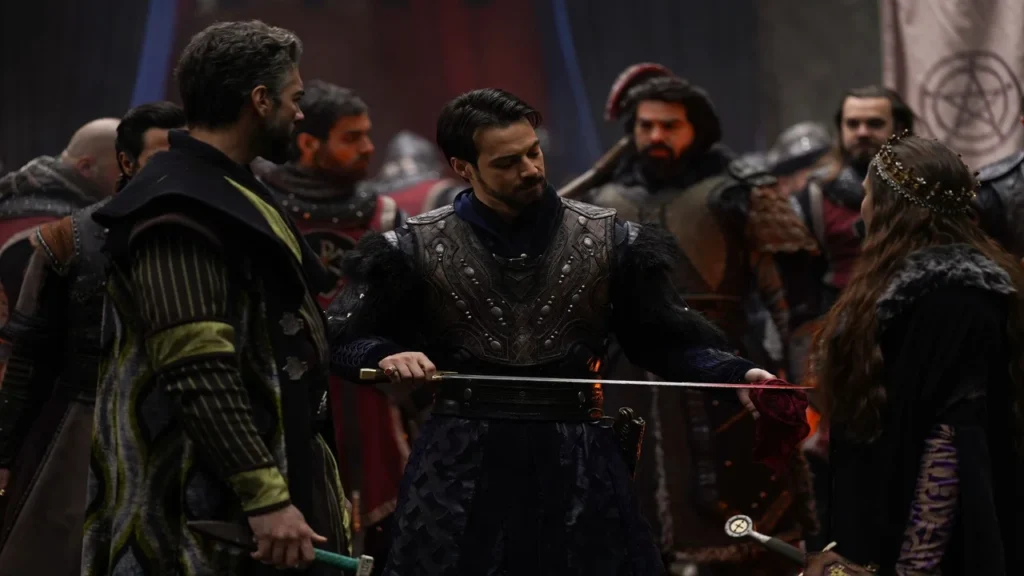
Kurulus Orhan Episode 12 marks a turning point as Orhan Bey officially establishes the Ottoman Sultanate following the conquest of Bursa. The episode focuses on political maneuvering, new threats from Vali Temurtash, and the minting of the first Ottoman coins bearing Orhan’s name. English subtitle: Urdu subtitle: Orhan’s Bold Declaration Changes Everything The conquest of Bursa wasn’t just another victory—it fundamentally changed the political landscape. In Kurulus Orhan Episode 12, viewers witness Orhan Bey taking the monumental step of declaring himself Sultan of the Ottoman State, moving beyond the traditional beylik structure that had defined Turkish tribes for generations. The episode opens with celebrations still echoing from Bursa‘s fall, but the mood quickly shifts. Orhan understands that with greater power comes greater danger. He’s not wrong. The moment he starts minting coins with his name alongside the Prophet’s, he’s essentially drawing a target on his back. Temurtash’s Deadly Warning The most chilling moments come when Temurtash‘s messenger arrives carrying two severed heads—those of Eşrefoğlu Süleyman Bey and Hamitoğlu Dündar Bey. This isn’t subtle diplomacy. Temurtash, the Ilkhanid Vali who’s been declaring himself a Mahdi (messiah figure), wants Orhan to know exactly what happens to those who don’t submit. But here’s where Orhan shows his steel. Instead of cowering, he publicly rejects Temurtash’s authority during the grand feast he’s hosting for Turkish beys. The confrontation with Temurtash’s envoy is electric—Orhan makes it clear that the rules have changed, and he’s not paying tribute to anyone anymore. The Great Feast and Political Theater Orhan invites powerful Turkish beys including Demirhan Bey of the Karesioğulları and Şahinşah Bey to his camp. The feast itself becomes a stage for political maneuvering. When Orhan distributes newly-minted Ottoman coins to his guests and reveals a new state banner, he’s not just being generous—he’s making a statement about legitimacy and power. The ceremony where witnesses confirm Orhan as Sultan is particularly significant. This isn’t some private declaration. Orhan wants everyone—friends and enemies alike—to understand that the Ottoman Beylik is now the Ottoman State. Byzantine Complications Continue Princess Asporça attends the feast, adding another layer of complexity. Her presence alongside Turkish beys shows the delicate balance Orhan must maintain. They’ve reached a temporary peace after defeating the Knights of the Temple together, but nobody’s pretending this will last. The episode reveals that Asporça is already planning her next moves from Iznik. She’s appointed Flavius as commander of Iznik’s forces, setting up what will clearly become another major conflict down the line. Fatma and Flavius: Love Amid Chaos The personal drama hits hard this episode. Fatma discovers that Akçora, the merchant she’s fallen for, is actually Flavius—the Byzantine commander and her brother’s enemy. The revelation destroys her, and their confrontation in the forest is raw and painful. What makes this storyline work is how it mirrors the larger political tensions. Just as Orhan and Asporça maintain an uneasy peace while preparing for inevitable conflict, Fatma and Flavius can’t escape who they are and what they represent. By episode’s end, Fatma makes a surprising choice that will definitely have consequences. Halime and Dursun’s Complicated Path There’s a quieter but equally important development with Halime and Dursun. After Dursun’s punishment period ends, he and Halime finally acknowledge their feelings for each other. It’s a small moment of hope in an episode otherwise filled with political machinations and brewing conflicts. What This Episode Sets Up Kurulus Orhan Episode 12 is clearly a setup episode for major conflicts ahead. Orhan has now: The episode also establishes that Orhan plans to create a structured army from orphaned children in Bursa, showing he’s thinking long-term about military organization. Timeline of Key Events Previously: Bursa falls to Orhan’s forces; Knights of the Temple are defeated; Saroz and Hektor are killed Kurulus Orhan Episode 12 Focus: Orhan declares the Ottoman Sultanate; Temurtash sends threatening message; grand feast establishes new political order; Fatma learns Akçora’s true identity What’s Coming: Inevitable conflict with Temurtash; continued tensions with Byzantium; challenges from rival Turkish beys jealous of Orhan’s rise Release Date and Where to Watch Kurulus Orhan Episode 12 For fans eagerly awaiting the next chapter of the Ottoman state, here is the official broadcast schedule and streaming availability for Episode 12. Official Broadcast (Turkey) International Release Schedule (Subtitles) International viewers relying on subtitles (English, Urdu, Arabic) usually have to wait a few hours after the live broadcast for translation and editing on Vidtower.in. Platform / Language Expected Release Date Estimated Time YouTube (Official) Jan 28, 2026 Immediately after TV broadcast (Turkish) English Subtitles (on Vidtower.in) Jan 28 – Jan 29, 2026 12:00 AM – 4:00 AM (Next Day) Urdu Subtitles (on Vidtower.in) Jan 29, 2026 Morning / Early Afternoon Arabic Subtitles Jan 28, 2026 Late Night (Same Day) People Also Ask 1. When will Kurulus Orhan Episode 12 English subtitles be released? Kurulus Orhan Episode 12 with English & Urdu subtitles will be available on January 28-29, 2026. Subtitles are typically uploaded within 12–24 hours of the original Turkish broadcast. 2. Is Kurulus Orhan Episode 12 focused on war or politics? This episode is primarily focused on political state-building. It highlights Orhan Bey’s transition from a tribal leader to a Sultan and the establishment of formal state structures. 3. Where can I watch Kurulus Orhan Episode 12? You can watch it live on ATV Turkey or stream it with English subtitles on official YouTube channels and platforms like Kurulusorhan.io or Vidtower.in. 4. Why is Episode 12 historically significant? It depicts the official birth of the Ottoman Sultanate. By declaring himself Sultan and minting the first Ottoman coins, Orhan Bey formally established independence from other powers. What Do You Think? Orhan Bey has officially defied Temurtash and declared the Sultanate. Do you think this bold move was too risky, or was it the only way to survive? Drop your thoughts in the comments below!
Kuruluş Orhan Episode 11 English & Urdu Subtitles
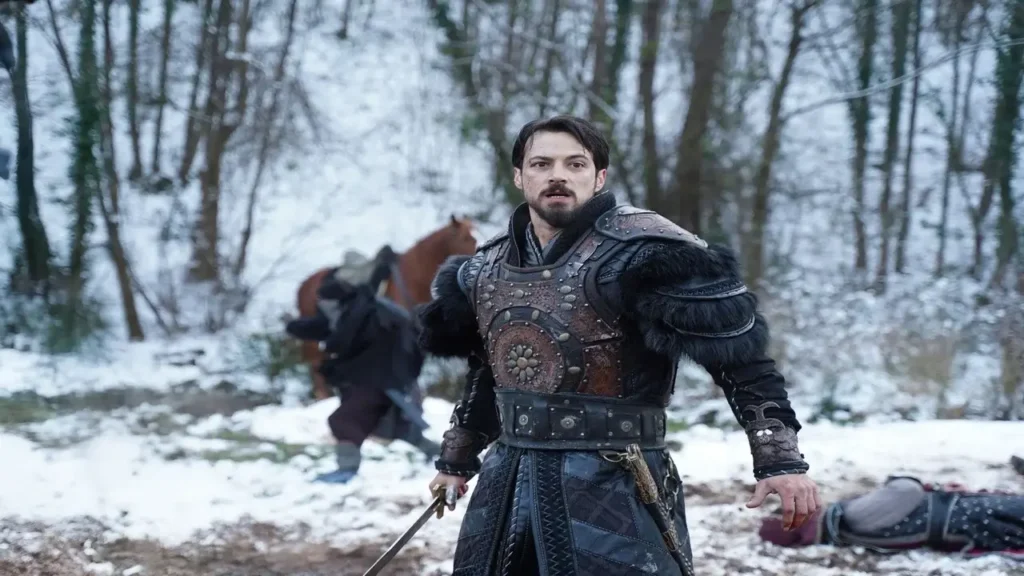
Kuruluş Orhan Episode 11 arrives on 21 January 2025 with English and Urdu subtitles. The episode intensifies political conflict, betrayal, and warfare as Orhan faces rising enemies, internal conspiracies, and the growing threat to Bursa. English Subtitles: Urdu Subtitles: Kuruluş Orhan Episode 11 English & Urdu Subtitles – Complete Breakdown The historical drama Kuruluş Orhan enters a decisive phase with Episode 11, where political deception, vengeance, and power struggles collide. As Orhan Bey tightens his grip over Bursa, enemies emerge from every direction—some open, some hidden. With powerful dialogue, emotional intensity, and escalating war tension, Episode 11 promises to be one of the most impactful episodes of the season. Kuruluş Orhan Episode 11 Episode 11 Release Date & Streaming Details 📅 Release Date: 21 January 2025📺 TV Channel: ATV🌐 Streaming Platform: Vidtower.in🈂️ Subtitles: English & Urdu (Available shortly after broadcast) Vidtower.in will provide high-quality playback with properly synced subtitles for international viewers. Trailer 1 Breakdown – Betrayal, Fire, and Revenge The first trailer delivers brutal intensity and emotional depth. “Demek Orhan ona gönderdiğim kellelerden ders almamış…” This opening line sets the tone: Orhan’s enemies have underestimated him once again. 🔥 Key Themes from Kuruluş Orhan Episode 11 Trailer 1: The dialogue reflects a shift from patience to vengeance. Orhan no longer reacts—he commands. Kuruluş Orhan Episode 11 Trailer 2 Breakdown – Power, Identity, and Destiny Trailer 2 expands the narrative from revenge to leadership. “Benim adım Orhan Gazi… Ne sözümü yerde bırakırım, ne devletimi.” This moment establishes Orhan not only as a warrior but as a ruler who carries the burden of the state. ⚔️ What Trailer 2 Reveals: The reference to Byzantine pressure and internal weakness highlights the growing complexity of Orhan’s mission. What to Expect in Kuruluş Orhan Episode 11 🔹 Political Escalation Orhan’s enemies move openly. Diplomacy fades. Strategy takes over. 🔹 Emotional Conflict Betrayal wounds deeper than swords. Orhan’s personal resolve is tested. 🔹 War Preparations Military action becomes inevitable. Bursa is no longer just a city—it is destiny. 🔹 Leadership Transformation Episode 11 marks Orhan’s shift from commander to sovereign. Historical Context – Why Episode 11 Matters Kuruluş Orhan is rooted in the early foundation of the Ottoman state. Episode 11 draws inspiration from: This episode symbolically represents the moment when leadership becomes legacy. Why Kuruluş Orhan Episode 11 Is a Turning Point ✔ Major character deaths✔ Political betrayal revealed✔ Shift from defense to expansion✔ Strong ideological messaging✔ Sets tone for future conquests This episode reshapes the story’s direction entirely. People Also Ask (FAQs) When will Kuruluş Orhan Episode 11 be released? Episode 11 will air on 21 January 2025 on ATV. Will Episode 11 have English and Urdu subtitles? Yes. English and Urdu subtitles will be available shortly after release on Vidtower.in. Is Episode 11 action-heavy? Yes. The episode focuses on conflict, power struggles, and war preparation. Does Episode 11 focus on Bursa? Yes. Bursa becomes the central political and military target in this episode. Timeline – Episode 11 Events Stage Event Opening Threats and betrayal revealed Mid-Episode Orhan asserts authority Conflict Enemies exposed Ending War preparations begin
Mehmed Fetihler Sultanı Episode 66 English & Urdu Subtitles
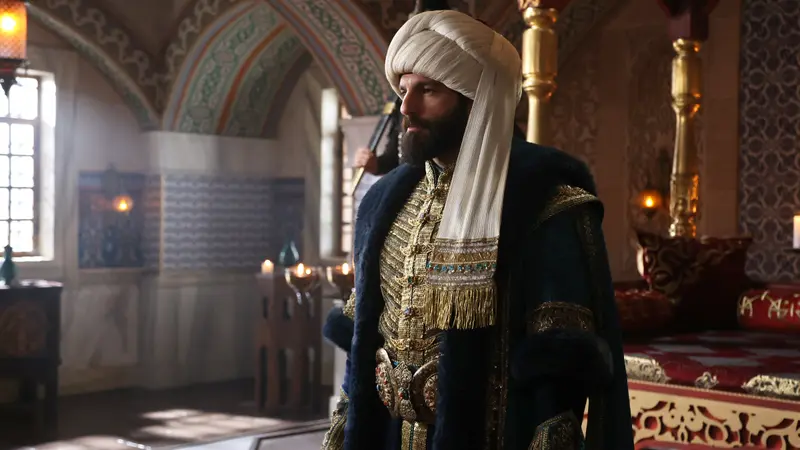
Mehmed Fetihler Sultanı Episode 66 arrives on 20 January 2025 with English and Urdu subtitles. The episode intensifies political conflict, religious tension, and war strategy as Sultan Mehmed prepares for decisive action against internal and external enemies. English Subtitle Urdu Subtitle Mehmed Fetihler Sultanı Episode 66 English & Urdu Subtitles – Full Breakdown The historical epic Mehmed Fetihler Sultanı continues its gripping journey with Episode 66, one of the most intense chapters so far. Airing on TRT1, this episode pushes the narrative into a darker, more confrontational phase—where faith, power, and destiny collide. With rising political threats, religious tension, and a brewing war, Episode 66 stands as a turning point in Sultan Mehmed’s mission to secure his empire and legacy. Mehmed Fetihler Sultanı Episode 66 Release Date & Streaming Information 📅 Release Date: 20 January 2025 (Tuesday)📺 Channel: TRT1🌐 Streaming Platform: Vidtower.in🈂️ Subtitles: English & Urdu (Expected within hours after broadcast) Viewers can watch the episode in high quality with subtitles on Vidtower.in, one of the most reliable platforms for Turkish historical series. Mehmed Fetihler Sultanı Episode 66 Trailer 1 Analysis – A Call to Holy War The first trailer delivers an emotionally charged monologue that reflects the ideological depth of the episode. “Kaldır başını… Vlad’la ittifakımız bitti. Kutsal savaşımızı başlatacağız.” This dialogue confirms a major political shift. The alliance with Vlad has ended, marking the beginning of open confrontation. Sultan Mehmed’s words reflect not just anger—but conviction. Key Themes from Trailer 1: The dialogue highlights Mehmed’s transformation from a ruler to a leader driven by destiny. Mehmed Fetihler Sultanı Episode 66 Trailer 2 Analysis – Power, Betrayal, and Strategy Trailer 2 raises the stakes further. “Devlet benim. Bir daha seni bu topraklarda görürsem…” This scene reflects absolute authority. Mehmed is no longer negotiating—he is commanding. Major Plot Signals: The line “Papa’nın hangi amaçla geleceğini bilmiyorum” hints at a larger geopolitical game, adding historical realism to the narrative. Mehmed Fetihler Sultanı Episode 66 Story Expectations 🔹 Political Pressure Escalates Mehmed faces threats not just from enemies, but from shifting alliances within his own circle. 🔹 Religious & Ideological Clash The episode strongly focuses on faith vs power, showing how belief shapes leadership decisions. 🔹 The Ottoman War Machine Moves Military preparations begin. Strategy replaces diplomacy. 🔹 Emotional Depth Dialogue-driven scenes show Mehmed’s internal struggle between justice and mercy. Historical Context – Why Episode 66 Matters This episode draws inspiration from real Ottoman history: The mention of Doğu Türkistan symbolically connects past struggles with broader Turkic identity, giving the episode emotional depth beyond battle scenes. Why Episode 66 Is Important for the Series ✔ Marks the end of negotiation✔ Introduces religious-political conflict✔ Deepens Sultan Mehmed’s leadership arc✔ Sets the foundation for upcoming wars✔ Expands the international scope of the story People Also Ask (FAQs) When will Mehmed Fetihler Sultanı Episode 66 be released? Episode 66 will air on 20 January 2025 on TRT1. Will Episode 66 have English and Urdu subtitles? Yes. English and Urdu subtitles will be available shortly after broadcast on Vidtower.in. Is Episode 66 focused on war or politics? Both. The episode blends political tension, religious conflict, and military preparation. Does Episode 66 mention the Vatican and Pope? Yes. The trailer confirms a major storyline involving the Pope and European politics. Timeline – Key Events in Episode 66 Timeline Event Opening End of alliance with Vlad Mid Episode Political confrontation & threats Climax War declaration and military orders Ending Foreshadowing major battle